E2e Baby Quilting Embroidery Design Review
As an embroidery designer who has spent years curating collections for boutique apparel, I approach every new Creative Fabrica embroidery file with a critical eye. My goal is always to find designs that elevate a simple garment into a premium, handmade product. Recently, I stumbled upon the E2e Baby Quilting Embroidery Design, and while it is marketed primarily for quilts, its potential for sweatshirt embroidery and custom apparel caught my attention immediately. This review explores how this edge-to-edge design translates from nursery textiles to wearable fashion.
First Impressions: Visual Personality and Stitching Mood
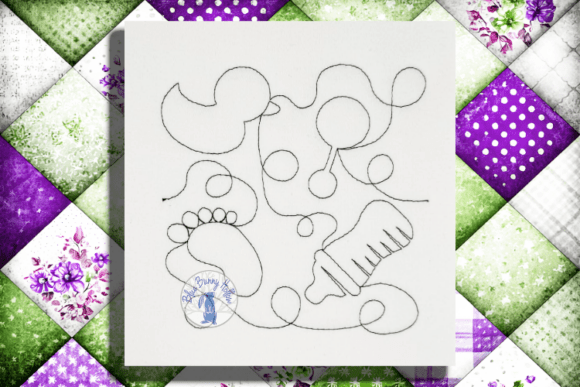
The E2e Baby Quilting Embroidery Design presents a sweet and timeless aesthetic. The motif features a duck, baby's foot, baby bottle, and rattle flowing seamlessly through stitching lines. At first glance, the visual personality is undeniably playful yet classic. It avoids the overly trendy or cartoonish look that often dates quickly in the fashion world. Instead, it leans into a soft, nostalgic charm that resonates well with parents and gift buyers alike.
When evaluating the decorative strength of this machine embroidery design, I noticed the seamless flow of the elements. Unlike isolated logos that can feel stiff on fabric, this design mimics the organic movement of traditional quilting patterns. For a boutique brand aiming for a cozy, lifestyle-focused image, this mood is perfect. It feels feminine, gentle, and carefully crafted. However, because it is an edge-to-edge pattern, it requires a different mindset than a standard chest logo. You are not just placing a graphic; you are creating a textured field of thread that interacts with the fabric underneath.
Adapting Quilting Designs for Apparel Projects
Transitioning a quilt pattern to clothing requires careful planning. I envisioned using the E2e Baby Quilting Embroidery Design on a collection of neutral sweatshirts and pastel hoodies. Imagine a cream-colored French terry hoodie where the design runs across the back panel. The duck and rattle motifs would peek out from the stitching lines, creating a subtle texture rather than a loud statement. This approach works beautifully for hoodie design concepts that prioritize comfort and understated style.
For t-shirt embroidery, the design could be adapted to run vertically down the side seam or across the lower hem of an oversized tee. On dark apparel, such as charcoal or navy fleece, the contrast becomes key. If you choose light pastels for the thread colors, the design pops with a whimsical energy suitable for seasonal outfits. Conversely, on denim jackets, the rugged texture of the denim pairs surprisingly well with the delicate nature of the baby bottle and foot motifs, creating a "modern rustic" vibe that appeals to crafters and digital sellers looking for unique commercial embroidery opportunities.
This versatility makes the E2e Baby Quilting Embroidery Design a strong contender for boutique merchandise. Whether you are creating tote bags, bibs, or even small shop products like headbands, the seamless nature of the pattern allows for creative placement that standard logos cannot achieve. It transforms a plain canvas into a cohesive piece of art.
Strategic Placement and Fabric Considerations
While the design is versatile, there are specific areas where caution is required. Because this is an edge-to-edge pattern, it covers a significant surface area. Placing it on a small chest pocket might overwhelm the garment unless you crop the design significantly, which risks losing the flow of the duck and rattle elements. I recommend using this embroidery file for larger placements, such as full back prints, sleeve accents on long sleeves, or large panels on tote bags.
Fabric texture plays a crucial role here. On stretchy fabrics like ribbed cuffs or high-stretch jersey, dense stitch areas can cause puckering. The E2e Baby Quilting Embroidery Design likely has varying densities depending on the icons. Before committing to a production run, you must test on scrap fabric similar to your final garment. Fleece and heavy cotton blends are excellent choices as they support the weight of the thread without distorting the shape of the baby's foot or bottle motifs.
Curved surfaces also present a challenge. If you plan to embroider this on the front of a fitted sweatshirt, the curvature of the torso can distort the straight lines of the quilting pattern. It is often better suited for flatter surfaces like the back of a hoodie or the flat face of a tote bag. Additionally, avoid placing the design over areas that will wrinkle frequently, such as the armpit or waistband, as the tension from the stitches may cause the fabric to pucker over time.
Enhancing Brand Identity and Product Value
Using a distinctive design like the E2e Baby Quilting Embroidery Design can significantly impact your brand identity. In a market saturated with generic clip-art logos, offering a garment with a seamless, textile-inspired embroidery pattern signals quality and attention to detail. It builds buyer trust by showing that you understand the nuances of custom apparel construction.
For an Etsy seller or a small clothing brand, this type of design aids in product recognition. When customers see the unique flow of the duck and rattle on your finished product, they associate that specific texture with your shop. This visual consistency is vital for social media graphics and printable mockups. High-quality photos of the design on a cozy seasonal outfit can drive customer engagement, making your listings stand out in search results.
The perceived value of the finished product increases when the embroidery looks intentional and professional. A well-executed edge-to-edge design suggests a higher price point than a simple monogram. It tells the customer that this is a handmade product worth investing in, whether for a newborn gift or a personal wardrobe staple.
Practical Designer Notes for Production
Before you download and stitch, keep these practical steps in mind to ensure success with the E2e Baby Quilting Embroidery Design:
- Test on Scrap Fabric: Always run a test stitch on the exact fabric you intend to use. Check for puckering, especially around the denser parts of the duck or bottle icons.
- Stabilizer Choice: Given the coverage area, a tear-away stabilizer might not be enough. Consider a cut-away or a heavy-duty wash-away stabilizer to support the thread density and prevent distortion on stretchy garments.
- Thread Color Contrast: Experiment with tonal threads for a subtle look or high-contrast colors for a playful pop. Ensure the thread colors complement the base fabric texture.
- Hoop Size Verification: Since this is an edge-to-edge design, confirm the hoop size requirements in the Creative Fabrica product details. You may need to re-hoop multiple times for larger garments like adult hoodies.
- Licensing Check: As a digital seller, always review the licensing terms before selling finished apparel. Ensure you have the right to sell physical goods made with this digital embroidery file.
- Placement Comparison: Sketch out different placement options—back, sleeve, or hem—to see which best suits your specific garment cut.
In conclusion, the E2e Baby Quilting Embroidery Design offers a unique opportunity for apparel decorators to bring a touch of nursery charm to modern streetwear. While originally intended for quilts, its adaptable nature makes it a valuable asset for any Babies category collection or general Embroidery portfolio. With careful testing and strategic placement, this design can become a signature element of your boutique brand, bridging the gap between home decor and fashion with elegance and care.