Easter Egg Embroidery Design Review for Craft Fairs
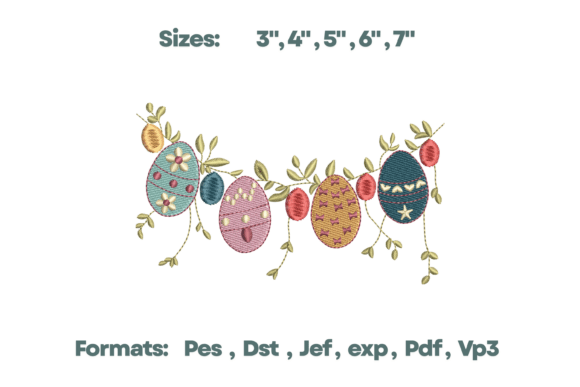
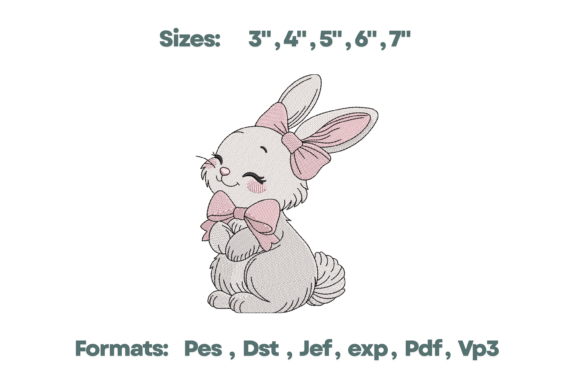
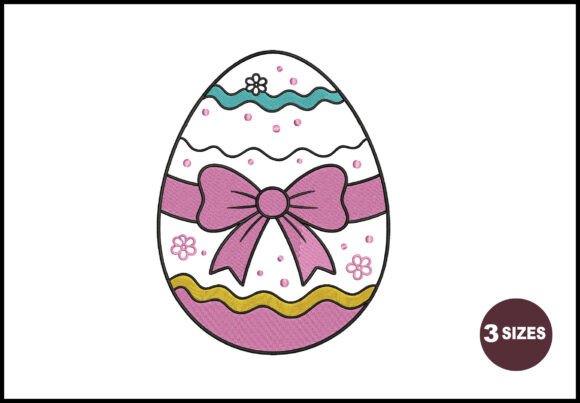
As a professional embroidery designer who has spent years setting up booths at bustling craft fairs and managing handmade market stalls, I know that the difference between a slow weekend and a sold-out table often comes down to one thing: the visual impact of your design assets. Today, I am putting the Easter Egg Embroidery Design under the microscope. This charming Easter Egg embroidery design is the perfect way to add a touch of seasonal sweetness to your spring projects. Featuring a beautifully detailed egg adorned with a stunning pink bow, delicately rendered to catch the eye, it promises to be a standout piece. But does it translate from a digital screen to a physical product that sells? Let's break down exactly how this machine embroidery design performs in the real world.
First Impressions: Aesthetic Appeal and Market Fit
When I first loaded the preview of the Easter Egg Embroidery Design, my immediate reaction was "soft elegance." It doesn't scream with neon colors or chaotic patterns; instead, it whispers quality. The combination of a classic egg shape with a sophisticated pink bow suggests a style that fits perfectly into modern farmhouse, cottagecore, and traditional spring aesthetics. For an Etsy seller or boutique maker, this is crucial. Customers browsing for a handmade product during the Easter season are often looking for something that feels premium rather than mass-produced. This design hits that sweet spot. It feels decorative yet approachable, making it an excellent candidate for high-margin items where perceived value drives the sale.
The visual weight of the design is balanced well enough that it won't overwhelm smaller items but remains distinct enough to act as a focal point on larger goods. In a crowded booth filled with plastic decorations and generic knick-knacks, a tote bag featuring this specific embroidery will stand out because of its texture and craftsmanship. The pink bow adds a pop of color that draws the eye from across the aisle, which is exactly what you need to stop a potential customer in their tracks.
Product Versatility: Where Does It Shine?
One of the biggest questions I ask when reviewing any embroidery file is versatility. Can this design live on multiple products without losing its charm? The answer for the Easter Egg Embroidery Design is a resounding yes, provided you choose the right applications.
- Tote Bag Design: This is likely the best use case. Placing the egg near the bottom corner of a canvas tote creates a chic, asymmetrical look. The sturdy fabric of a tote bag supports the stitch density well, ensuring the bow looks crisp.
- Tea Towel Embroidery: Kitchen linens are a staple for craft fair sales. On a white or cream linen towel, the delicate details of the egg and the sheen of the pink thread will photograph beautifully for online listings and look inviting in person.
- Apron Embroidery: For the home baker, an apron with this design on the chest pocket or upper bib area offers a delightful seasonal touch. It elevates a standard kitchen item into a giftable keepsake.
- Embroidered Patch: If you want to diversify your inventory, turning this into a patch allows you to sell lower-cost items that still carry your brand identity. These can be attached to denim jackets, bags, or hats, expanding your reach to a younger demographic.
- Pillow Covers and Pouches: Small fabric pouches make excellent impulse buys. The softness of the fabric complements the gentle nature of the design, while pillow covers allow for a larger scale application if the hoop size permits.
Production Reality: Practical Considerations for Sellers
While the aesthetic is clear, the practical side of production is where many small shop owners stumble. Before you commit to a batch run for the weekend market, you must consider the technical execution. The description mentions "beautifully detailed" elements, which implies a higher stitch density. High density is beautiful but requires precision.
If you are working with textured fabrics like heavy linen or thick terry cloth for tea towels, the intricate details of the bow might get lost in the weave. Always test the Easter Egg Embroidery Design on scrap fabric first. Check how the threads sit against the texture. You may need to adjust your stabilizer choice to ensure the stitches lie flat and the definition of the egg remains sharp. Similarly, if you plan to use this on dark fabrics, the contrast of the pink bow needs to be evaluated. Lighter thread colors on dark backgrounds require more layers to prevent the fabric from showing through, which can alter the final look.
Another critical factor is the hoop size. Ensure your machine can accommodate the full design without distorting the aspect ratio. If you are forced to shrink the design significantly to fit a small cap or a tiny pouch, those "delicate" details mentioned in the description may become muddy or indistinguishable. Clarity is key for a craft fair product; customers need to see the quality instantly.
Selling Strategy: Maximizing Visual Impact
To truly leverage the Easter Egg Embroidery Design, you need to think about how it presents itself in your booth display and online store. For physical markets, create a tiered display. Place your most impressive items, like the embroidered aprons or large totes, at eye level. Use the smaller patches and pouches as fillers to encourage upsells. The cohesive look of the pink bow across different products creates a sense of brand consistency that makes your booth look professional and curated.
For the Etsy seller or digital creator, photography is everything. The sheen of the embroidery thread captures light differently than printed ink. When creating your printable mockup or taking photos of the finished product, ensure you have good lighting that highlights the texture of the stitches. Show close-ups of the bow to prove the quality of the workmanship. This attention to detail justifies a higher price point and builds trust with buyers who cannot touch the item before purchasing.
Final Designer Notes for Success
Before you finalize your order or start stitching, take these steps to ensure success:
- Test Run: Stitch the design on a scrap piece of the exact fabric you intend to use. Check for puckering or thread breaks.
- Color Matching: Verify that your chosen thread colors match the mood you want. A pastel pink might look washed out on certain creams, so test the contrast.
- Licensing Check: Confirm your commercial license terms. If you are selling finished goods, ensure the digital embroidery file license allows for unlimited sales of commercial embroidery products.
- Stabilizer Selection: Do not skip the stabilizer. For dense designs on stretchy or textured fabrics, a cut-away stabilizer might be necessary to maintain the shape of the bow over time.
- Mockups Matter: Create at least one real-world sample to photograph. Real photos sell better than computer-generated images because they show the true depth and dimension of the embroidery.
The Easter Egg Embroidery Design is a strong contender for your spring collection. It balances festive cheer with timeless elegance, making it a versatile asset for any creative entrepreneur. By paying attention to fabric choices, stitch density, and presentation, you can turn this single design into a profitable hero product for your next market event. Remember, in the handmade industry, the devil is in the details—and this design delivers them beautifully.