Glass of Red Wine Embroidery Review
As I set up my booth for the upcoming weekend craft fair, the table is a chaotic mix of fabrics, hoops, and half-finished samples. My goal is simple: create a display that stops people in their tracks and turns browsers into buyers. Today, I am putting the Glass of Red Wine Embroidery design through its paces. This isn't just about downloading a file; it is about evaluating whether this specific machine embroidery design has the visual weight and versatility to become a best-selling handmade product.
First Impressions: Elegance Meets Market Appeal
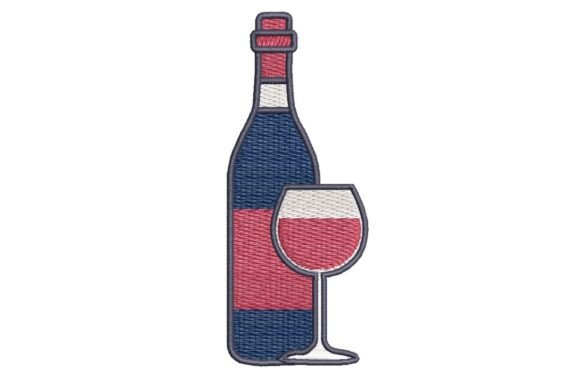
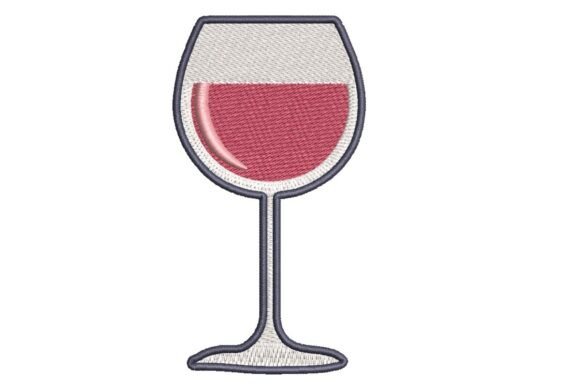
When I first loaded the Glass of Red Wine Embroidery into my software, the aesthetic was immediately clear. It feels sophisticated yet accessible. The description promises a classic stemmed wine glass filled with deep, rich burgundy, utilizing clean horizontal fill stitches. In the world of small shop products, "elegant" can sometimes translate to "too formal," but this design strikes a balance. It leans into a modern farmhouse or boutique chic vibe rather than a rustic, cluttered look. For an Etsy seller or a craft fair vendor, this is a sweet spot. It appeals to the customer who wants something decorative but not overly kitschy.
The use of horizontal fill stitches is a smart choice for a digital embroidery file. It suggests a smooth, satin-like finish on the liquid portion of the wine, which will catch the light beautifully under the harsh fluorescent lights of a market tent or in high-quality printable mockups. However, the real test is how it translates from the screen to the fabric texture of a finished product.
Product Placement: Where Does It Shine?
To determine the commercial viability of the Glass of Red Wine Embroidery, I have been testing it across various substrates. Not every design works on every item, and knowing where to place your assets is crucial for maximizing sales.
Kitchen Textiles and Tote Bags
The strongest contender for this design is undoubtedly the tea towel. A white or cream linen tea towel provides the perfect contrast for the deep burgundy thread colors. The tea towel embroidery stands out because the horizontal fills mimic the fluidity of the drink without getting lost in the weave of the fabric. Similarly, a canvas tote bag offers a large, flat surface where the design can be sized up to become a focal point. As a tote bag design, it transforms a utility item into a statement piece for wine enthusiasts.
I also tested this as an apron embroidery sample. Placed on the bib of a dark denim or charcoal apron, the design pops with a premium feel. This elevates the perceived value of the apron, allowing me to price it higher than a generic kitchen accessory. For the craft fair product lineup, these items are low-risk, high-reward staples.
Patches and Accessories
For smaller inventory, I considered turning this into an embroidered patch. While possible, the delicate stem of the glass requires careful attention to stitch density. If the stabilizer is too thick, the patch loses flexibility. However, on a structured cap or a heavy-duty fabric pouch, the Glass of Red Wine Embroidery works well as a logo-style accent. It adds a touch of personality to otherwise plain accessories, making them ideal for gift baskets or add-on purchases at the checkout counter.
Production Realities and Practical Challenges
While the visual appeal is high, the production process demands precision. As a professional designer, I know that what looks good in a preview often reveals flaws during stitching. One major consideration is the hoop size. You must confirm the dimensions before committing to batch production. If the design is too large for your standard 5x7 hoop, you may need to split the file, which introduces registration risks.
Stitch density is another critical factor. The description mentions clean horizontal fills, which generally stitch quickly. However, dense areas in the wine glass bowl can cause puckering on lightweight fabrics like cotton voile or thin linen. To prevent this, I always recommend using a cut-away stabilizer for durable items and a tear-away for heavier textiles. Testing the design on scrap fabric is non-negotiable. Check the thread tension and ensure the burgundy color doesn't bleed into the background if you are using lighter threads for the glass outline.
Furthermore, consider the fabric texture. On highly textured towels, tiny details might get swallowed by the loops. The Glass of Red Wine Embroidery relies on the shape of the glass and the fill of the wine. If the detail is too fine, it may lose clarity. I advise keeping the design at a medium-to-large scale to ensure the silhouette remains crisp and recognizable at a glance.
Selling Strategy: From Booth to Online Store
How does this design affect buyer engagement? In a crowded craft fair environment, customers scan tables in seconds. The Glass of Red Wine Embroidery acts as a visual anchor. Its elegant simplicity signals quality. When displayed on a pillow cover or a neatly folded stack of napkins, it suggests a lifestyle of relaxation and sophistication.
For online listings, particularly on Etsy, the photography potential is immense. The deep red against neutral backgrounds creates a warm, inviting image that performs well in social media algorithms. Creating at least one real mockup is essential. Do not rely solely on digital renderings. Show the texture of the thread and the drape of the fabric. This builds trust with the buyer, proving that the handmade product is tangible and high-quality.
This design also supports brand consistency. If your shop focuses on home goods or lifestyle accessories, the Wine category fits naturally. It allows you to bundle products—pairing a wine-themed tea towel with a matching apron or tote bag. This cross-selling strategy increases the average order value and makes your booth appear more curated and professional.
Final Designer Notes for Success
Before you finalize your production run of the Glass of Red Wine Embroidery, remember to verify your commercial licensing. Ensure you have the rights to sell finished products made from this embroidery file. Many digital sellers overlook this, leading to legal issues down the road.
Review the spacing carefully. If you plan to add text like "Wine O'Clock" or "Pour Me," ensure there is enough room so the lettering does not crowd the glass. Small lettering combined with intricate designs often leads to registration errors and messy finishes. Stick to clean, bold fonts that complement the elegance of the glass.
Finally, think about the seasonality. While wine is a year-round theme, this design shines during autumn harvest festivals, holiday markets, and Valentine's Day. Plan your inventory accordingly. By understanding the strengths and limitations of the Glass of Red Wine Embroidery, you can turn a simple digital asset into a profitable, standout feature in your handmade collection. Whether you are a seasoned Cricut crafter or a new boutique maker, focusing on these practical details ensures your products stand the test of time and customer satisfaction.